


























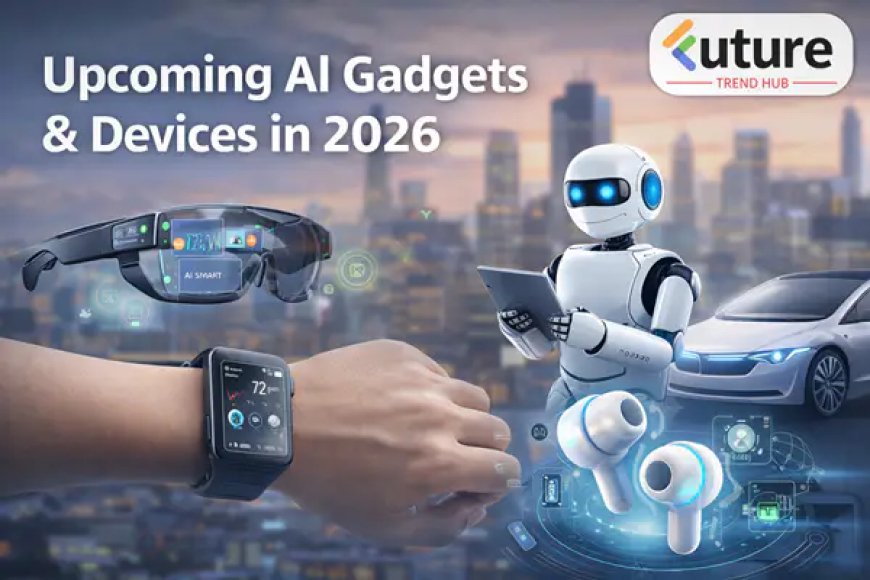
Upcoming AI Gadgets & Devices in 2026: 7 Smart Technologies That Will Change Daily Life
Discover the most exciting AI gadgets and smart devices coming in 2026. Learn how these technologies will impact daily life, jobs, and future earnings.
Introduction
Artificial Intelligence is no longer just about chatbots or software tools — it’s now entering our daily life through physical devices.
In my experience, this shift is much bigger than most people realize.
By 2026, AI gadgets won’t just assist you — they will predict your needs, automate tasks, and even improve your health and productivity without constant input.
If you are a beginner in India or someone curious about future tech, here’s what actually matters:
👉 These devices are not just “cool gadgets” — they are opportunities (for earning, productivity, and smarter living).
Let’s explore the most important upcoming AI gadgets and devices that are set to change everything.
What Are AI Gadgets? (Simple Explanation)
AI gadgets are smart devices that learn from your behavior and improve over time.
Unlike traditional electronics, they don’t just follow commands — they adapt to you.
Key Capabilities:
- Real-time decision making
- Learning from usage patterns
- Voice and gesture control
- Predictive automation
👉 Example:
A normal AC cools your room.
An AI-powered AC learns your routine and adjusts automatically.
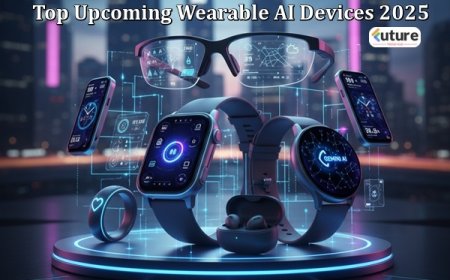
🔥 1. AI Smart Glasses (Next Big Thing)
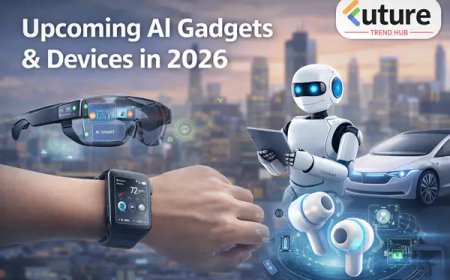
AI smart glasses are likely to become mainstream very soon.
In my experience, this is one of the most powerful upcoming technologies.
What They Can Do:
- Real-time language translation
- Navigation directly in your vision
- Object and face recognition
- Live meeting notes
👉 Imagine walking in a new city and seeing directions in front of your eyes — no phone needed.
India Use Case:
Tourism, business meetings, and even students can benefit massively.
🎧 2. AI Wearable Assistants (Beyond Smartphones)
Smartphones may not disappear, but their role will reduce.
AI wearable assistants (clip devices or earbuds) will handle many tasks.
Practical Uses:
- Automatic meeting summaries
- Email drafting
- Smart reminders based on location
👉 Here’s what actually works:
Instead of typing emails, your AI assistant drafts them instantly.
❤️ 3. AI Health Wearables (Game Changer in India)
Healthcare is where AI gadgets will have the biggest impact.
Advanced Tracking:
- Blood pressure
- Sugar levels (non-invasive)
- Stress and sleep patterns
Why It Matters:
In India, many people detect diseases late.
AI wearables can:
👉 Alert you early
👉 Prevent serious health issues
💡 In my experience, this will become a must-have device, not a luxury.
🤖 4. AI Home Robots (From Luxury to Reality)
Home robots are finally becoming practical.
Not just vacuum cleaners — full assistants for your home.
What They Can Do:
- Clean and organize
- Monitor security
- Help in cooking
- Track groceries
Smart Advantage:
They learn your routine over time.
👉 Example:
Robot cleans your house before you return from office automatically.
🎧 5. AI Smart Earbuds (Hidden Power Device)
AI earbuds are underrated but extremely powerful.
Features:
- Real-time translation
- Noise intelligence
- Voice commands
- Meeting summaries
👉 Example:
If you attend an international meeting, it translates everything instantly.
🏠 6. AI Smart Home Systems (Fully Automated Living)
Smart homes are evolving into self-thinking environments.
What Changes:
- Lights adjust automatically
- AC runs based on your routine
- Coffee starts when you wake up
👉 In my experience, this saves both time and electricity.
🚗 7. AI-Powered Vehicles (Safer Driving Future)
AI in vehicles is growing rapidly.
Key Features:
- Driver fatigue detection
- Smart navigation
- Automatic parking
- Accident prevention
👉 This can significantly reduce accidents in India.
💡 Benefits of AI Gadgets (Real Impact)
These devices are not just futuristic — they solve real problems.
Key Benefits:
- Save time in daily tasks
- Improve health tracking
- Increase productivity
- Reduce manual effort
👉 Think of them as digital assistants for your life
⚠️ Challenges You Should Know
Let’s be realistic — not everything is perfect.
Main Concerns:
- Privacy issues
- High initial cost
- Dependence on internet
- Data security
👉 My suggestion: Always use trusted brands and update devices regularly.
🔮 Future of AI Devices
The next 5–10 years will be huge.
We may see:
- Brain-computer interfaces
- Fully autonomous robots
- AI-driven personal environments
👉 In simple words:
Technology will move from “tool” → to “companion”
🎯 Final Thoughts
The upcoming AI gadgets and devices in 2026 are not just innovations — they are a shift in how we live.
If you are someone looking to:
- Stay ahead in technology
- Explore earning opportunities
- Improve productivity
Then understanding these devices early will give you an advantage.
👉 In my experience, people who adopt early always benefit the most.
Related Articles
What's Your Reaction?
 Like
0
Like
0
 Dislike
0
Dislike
0
 Love
0
Love
0
 Funny
0
Funny
0
 Angry
0
Angry
0
 Sad
0
Sad
0
 Wow
0
Wow
0